South America · BO / BOL
Flag of Bolivia
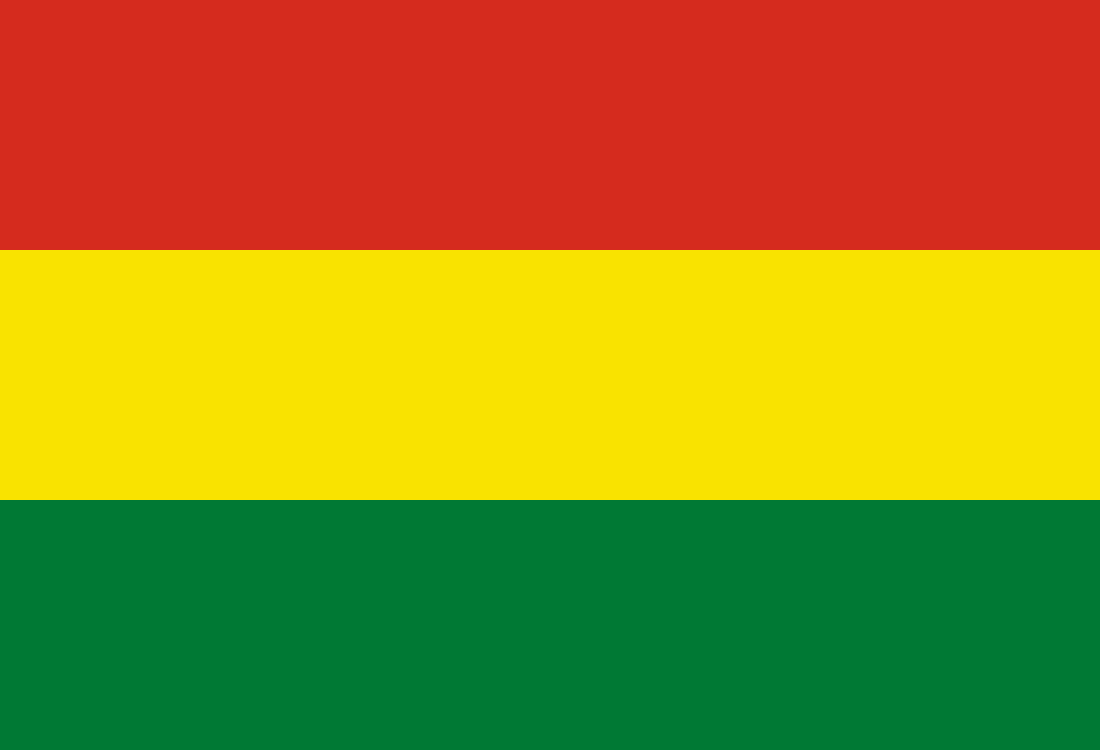
The Bolivia flag is a horizontal tricolor of red, yellow and green. A second version, the state flag, adds the national coat of arms in the center. Alongside it, the multicolored Wiphala is also recognized as a national symbol.
What the flag of Bolivia looks like
The flag of Bolivia has three horizontal stripes of equal height: red at the top, yellow in the middle and green at the bottom. The proportions, set by a decree in 2004, are 15:22 (height to length), close to 2:3.
There are two official versions. The civil flag, used by the public, is the plain tricolor. The state flag, used by the government and on official buildings, has the coat of arms in the center of the yellow stripe.
The coat of arms is an oval. It shows the Cerro Rico of Potosí and a smaller hill with a sun rising behind them, a llama, a palm and a sheaf of wheat. Ten golden stars fill the lower part of the oval. On each side are national flags, a cannon, rifles, an axe and a Phrygian liberty cap, and laurel and olive branches form a wreath. An Andean condor rises above the shield.
See how the colors look in the Bolivia flag emoji or download an image from the download page.
Bolivia flag colors
Color codes measured from the official design. Use HEX for the web and CMYK for print.
HEX
#D52B1ERGB
213, 43, 30CMYK
0, 80, 86, 16HEX
#007934RGB
0, 121, 52CMYK
100, 0, 57, 53HEX
#F9E300RGB
249, 227, 0CMYK
0, 9, 100, 2Bolivia flag meaning and symbolism
The colors were first described in a decree of 1888, under President Gregorio Pacheco. Red represents the blood shed by the nation's heroes for the birth and preservation of the Republic, yellow represents the country's wealth and resources, and green represents the richness of its natural areas as well as hope.
In the coat of arms, the Cerro Rico of Potosí is the famous silver mountain that gave the country much of its wealth, and the llama, palm and wheat refer to the country's animals and plants. The ten stars (the tenth was added in 1961) are commonly explained as the nine departments of Bolivia plus the coastal department of Litoral, which was lost in the War of the Pacific (1879-84).
History of the Bolivian flag
Bolivia declared independence from Spain in 1825 and was named after Simón Bolívar. The flag used before the present one was different, and the current red-yellow-green design came only in the middle of the 19th century.
The present flag of red, yellow and green stripes was officially adopted on 31 October 1851, under President Manuel Isidoro Belzu. The coat of arms has been redrawn a number of times, most recently in 2004, and a 2004 decree set the exact colors and proportions and split the flag into the civil and state versions.
In 2009, a new constitution recognized the Wiphala as a national symbol next to the tricolor, which gave the country two official flags. This reflects the country's large Indigenous population, and the 2009 constitution describes Bolivia as a plurinational state.
The Wiphala and why Bolivia has two flags
The Wiphala is a square flag made of a grid of 49 small squares in seven colors, laid out in diagonal rows. It is used as an emblem by the Indigenous peoples of the Andes, and the one recognized in Bolivia is the Qullasuyu Wiphala. It is not a replacement for the red, yellow and green flag. At official events it is flown next to the tricolor, on its left.
The Wiphala has also been a source of political debate. In the political crisis of November 2019, police cut Wiphalas from their uniforms and protesters burned some. The flag's association with the governing party made it politically divisive, while supporters see it as a sign of Indigenous inclusion.
Bolivia flag facts
| Country | Plurinational State of Bolivia |
|---|---|
| Flag adopted | October 31, 1851 |
| Proportions | 15:22 |
| Colors | #D52B1E, #007934, #F9E300 |
| Symbols | coat of arms of Bolivia |
| Flag emoji | 🇧🇴 |
| Country code | BO, BOL (ISO 3166) |
| Capital | La Paz, Sucre |
| Continent | South America |
| Population | 12,244,159 |
| Area | 1,098,581 km² |
| Currency | boliviano |
| National anthem | National Anthem of Bolivia |
Bolivia flag: frequently asked questions
Why are there two Bolivian flags?
Bolivia uses a red-yellow-green tricolor, and since 2009 the Wiphala has also been recognized as a national symbol. In addition, the tricolor itself has two versions: a plain civil flag and a state flag with the coat of arms.
Which Bolivian flag is correct?
Both the plain tricolor and the state flag with the coat of arms are correct. The plain one is for general use, and the one with the arms is for government use.
What animal is featured on the Bolivian flag?
The state flag shows a llama and a condor in the coat of arms. The plain tricolor has no animals.
What do the colors of the Bolivian flag mean?
Under an 1888 decree, red stands for the blood shed by the nation's heroes, yellow for the country's wealth and resources, and green for the richness of its natural areas and hope.
Did Bolivia change their flag?
The red, yellow and green tricolor was officially adopted on 31 October 1851 and has not been replaced. Later decrees refined it: in 2004 the proportions were set and the plain civil flag was separated from the state flag with the shield, and in 2009 the Wiphala was recognized beside it.
What is Bolivia's national flower?
Bolivia has two: the kantuta and the patujú. The 2009 Constitution lists both flowers among the national symbols, together with the tricolor flag, the Wiphala, the national anthem, the coat of arms and the cockade.
How is the Bolivia flag different from the Ghana flag?
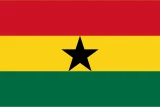
Both are red, yellow and green horizontal stripes, but Bolivia's is red on top and has no star, while Ghana's has a black five-pointed star in the yellow stripe. Bolivia's state version adds the coat of arms instead.