Europe · LT / LTU
Flag of Lithuania
The Lithuania flag is a horizontal tricolor of yellow, green and red, in equal stripes from top to bottom. It was adopted in 1918, banned during Soviet occupation, and restored in 1988.
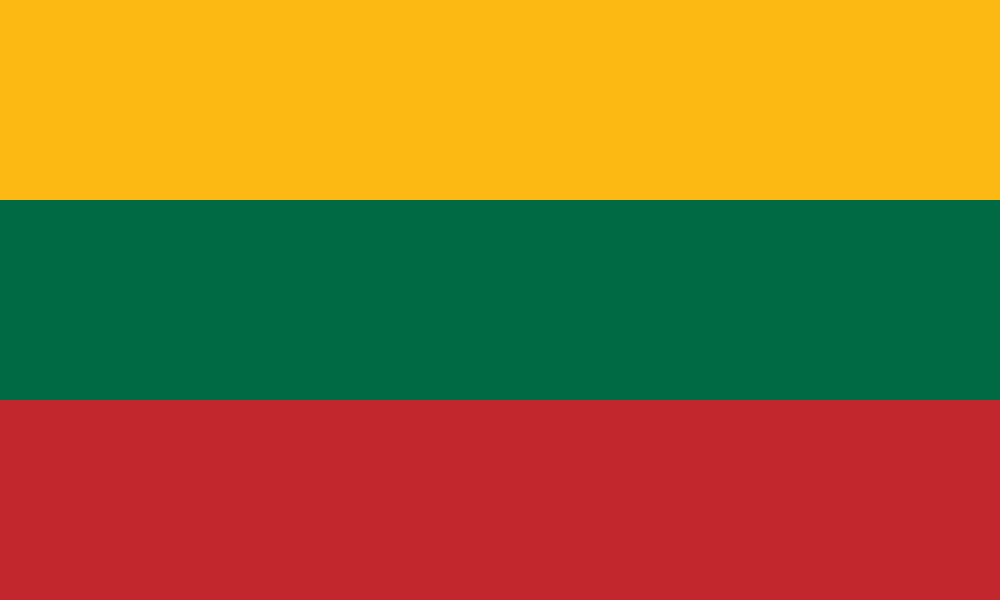
What the flag of Lithuania looks like
The flag of Lithuania has three horizontal stripes of equal height: yellow at the top, green in the middle and red at the bottom. It has no emblem or other symbols. The proportions are 3:5, which is a little longer than the usual 2:3 used by many flags.
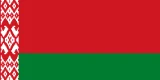
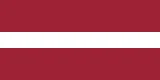
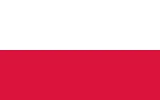
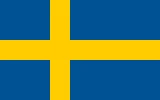
Because it is a plain three-color flag with a warm yellow, deep green and red, it is easy to confuse with several others made from the same colors in a different arrangement, such as the flags of Bolivia, Ghana and Guinea. Lithuania's is the only one among them with this exact order and without any extra symbols. Its Baltic neighbors Latvia and Estonia have flags in entirely different colors. You can find the emoji version at the Lithuania flag emoji page.
Lithuania flag colors
Color codes measured from the official design. Use HEX for the web and CMYK for print.
HEX
#FDB913RGB
253, 185, 19CMYK
0, 27, 92, 1HEX
#006A44RGB
0, 106, 68CMYK
100, 0, 36, 58HEX
#C1272DRGB
193, 39, 45CMYK
0, 80, 77, 24Lithuania flag meaning and symbolism
The colors are linked to the land and its people. The commonly cited meanings are:
- Yellow for the sun and prosperity.
- Green for the forests, the countryside, liberty and hope.
- Red for the blood and bravery of those who died for Lithuania.
The yellow, green and red were frequently used in folk weavings and traditional dress.
History of the Lithuanian flag
The idea of the yellow, green and red tricolor is usually attributed to Lithuanian exiles in the 19th century, and the Great Seimas of Vilnius of 1905 favored it over the Vytis banner. It was adopted on 25 April 1918, during Lithuania's first period of independence. It was used until 1940, when the Soviet Union occupied the country. During the Soviet occupation its use was prohibited, and the Lithuanian SSR flew a red flag with a white and green stripe along the bottom.
As the independence movement grew, the Lithuanian Supreme Soviet recognized the tricolor as the national flag again on 18 November 1988, and the flag was confirmed by the Provisional Constitution of 11 March 1990, when independence was restored. Its proportions were changed in 2004, when a new law fixed the ratio at 3:5 instead of the earlier 1:2. Lithuania joined the EU and NATO that same year.
Why Lithuania has two flags
Besides the tricolor, Lithuania has a historical state flag. It is red with the Vytis, a white knight on a galloping horse holding a sword and shield, the national coat of arms in banner form. The tricolor is the national flag; the Vytis flag is the state (historical) flag, adopted along with the 2004 law and flown at certain official locations and on certain national days.
Lithuania flag facts
| Country | Lithuania |
|---|---|
| Flag adopted | November 18, 1988 |
| Proportions | 3:5 |
| Colors | #FDB913, #006A44, #C1272D |
| Flag emoji | 🇱🇹 |
| Country code | LT, LTU (ISO 3166) |
| Capital | Vilnius |
| Continent | Europe |
| Population | 2,860,002 |
| Area | 65,300 km² |
| National anthem | Tautiška giesmė |
Lithuania flag: frequently asked questions
What does the Lithuanian flag mean?
Yellow stands for the sun and prosperity, green for the forests, countryside, liberty and hope, and red for the blood and bravery of those who died for Lithuania.
Why does Lithuania have two flags?
Lithuania has the yellow-green-red tricolor as its national flag and a historical state flag, red with the white knight Vytis. The tricolor is the national flag, and the Vytis flag is the state flag used at certain official locations and on certain days.
When was the Lithuanian flag adopted?
The tricolor was adopted in 1918, banned under Soviet occupation, and restored in 1988. The ratio of 3:5 was set in 2004.
What country did Lithuania belong to?
Lithuania was part of the Russian Empire, then independent between 1918 and 1940, and then part of the Soviet Union until it declared independence again in 1990. Earlier it formed a union with Poland.
Why did Lithuania change its flag?
The yellow, green and red tricolor was banned under Soviet occupation and brought back on 18 November 1988. Its latest change came in 2004, when a law changed the ratio from 1:2 to 3:5 and also adopted the historical Vytis flag as the state flag.