Asia · PS / PSE
Flag of Palestine
The Palestine flag has three horizontal stripes of black, white and green, with a red triangle at the hoist. It uses the Pan-Arab colors, was first associated with the Arab Revolt of 1916, and was adopted by the Palestinian national movement.
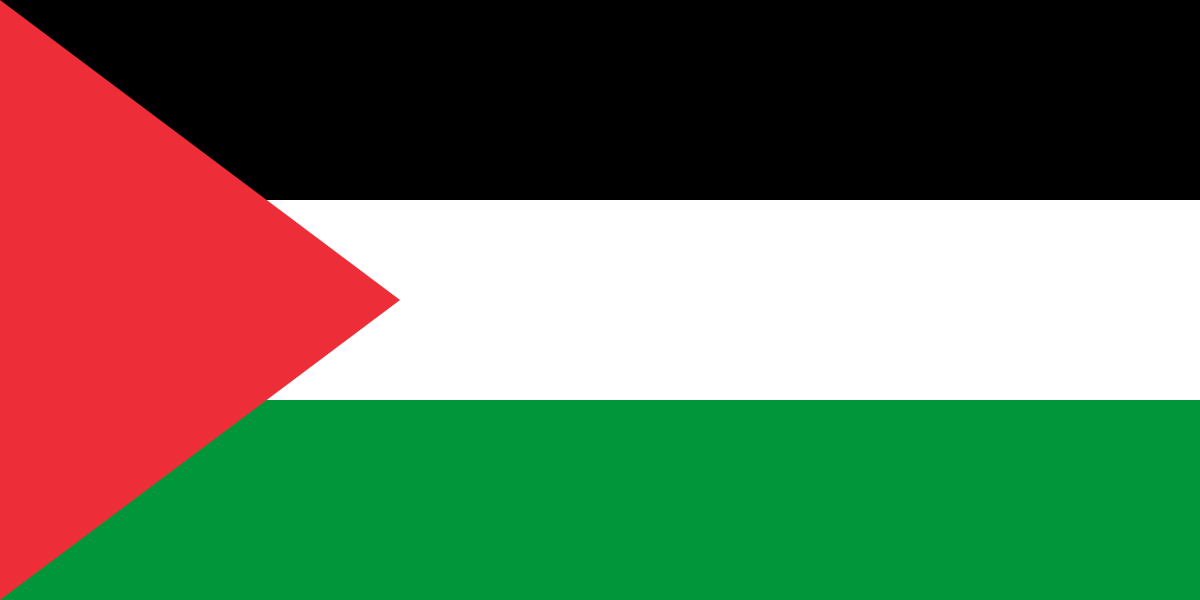
What the flag of Palestine looks like
The Palestinian flag is a horizontal tricolor of equal stripes: black at the top, white in the middle and green at the bottom. A red isosceles triangle has its base on the hoist and points toward the fly. The proportions are 1:2.
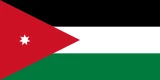
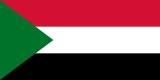
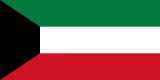
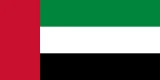
The design is a close relative of the flags of Jordan, Sudan, Kuwait and the United Arab Emirates, which are all built from the same four colors. The Palestinian flag has the triangle at the hoist, the same layout as Jordan, but Jordan's flag has a white seven-pointed star in the triangle and no star appears on the Palestine flag. The Palestine flag emoji shows the design without any extra symbols.
Palestine flag colors
Color codes measured from the official design. Use HEX for the web and CMYK for print.
HEX
#000000RGB
0, 0, 0CMYK
0, 0, 0, 100HEX
#009639RGB
0, 150, 57CMYK
100, 0, 62, 41HEX
#FFFFFFRGB
255, 255, 255CMYK
0, 0, 0, 0HEX
#ED2E38RGB
237, 46, 56CMYK
0, 81, 76, 7Palestine flag meaning and symbolism
The four colors are the Pan-Arab colors, which came into use as symbols of Arab unity in the early 20th century. A common explanation links each color to a historic Arab dynasty or caliphate: black for the Abbasids, white for the Umayyads, green for the Fatimids, and red for the Hashemites, or in other versions for the blood shed in battle. An older reading comes from a medieval poem by Safi al-Din al-Hilli, which describes white as deeds, black as battles, green as lands and red as swords.
For Palestinians, the flag is a national symbol and a sign of identity. For many Palestinians the red triangle stands for the sacrifice of those who died for the cause, and the colors together represent the Palestinian people and homeland. These are traditional readings, and the flag has no single official explanation.
History of the Palestinian flag
The flag has its roots in the Arab Revolt against Ottoman rule, which began in 1916 under Sharif Hussein of Mecca. The revolt's flag was black, green and white stripes with a red triangle, which became a model for other Arab flags. In the decades after the First World War, Palestinian groups began to use these colors as a national banner, and on 18 October 1948 the All-Palestine Government adopted the flag of the Arab Revolt, which the Arab League later recognized as the flag of Palestine.
In 1964 the Palestine Liberation Organization (PLO) officially adopted the flag as the flag of the Palestinian people. For decades, Palestinians were prevented from displaying the flag in the West Bank and Gaza Strip, and it could lead to arrest under Israeli military rules. On 15 November 1988 the PLO adopted the flag as the flag of the State of Palestine. The restrictions were eased in the early 1990s with the Oslo Accords, and the flag became widely used on the ground after the Palestinian Authority was established.
The flag was officially raised at the United Nations headquarters in New York in September 2015, after the UN General Assembly voted to allow non-member observer states to fly their flags there. Palestine has had the status of a non-member observer state at the UN since 2012, and it is recognized as a state by a large majority of UN member states, while others, including Israel, do not recognize it.
Flying the Palestine flag today
People raise the flag at protests, in sports stadiums, on homes and at cultural events as a sign of solidarity or national identity. The flag is a symbol of the Palestinian people as a whole and is not tied to a single party. The flag used in Gaza is the same national flag.
Display of the flag has at times been restricted or become a political issue. Authorities in Israel restricted it for many years before 1993 and have at times ordered its removal from public spaces and demonstrations since. Some European cities and events have set limits on flags at certain gatherings, and stadium authorities have sometimes fined clubs whose supporters displayed it, which has led to debate about free expression. Rules differ by country and by event. Other flags of Asia and the flags of the world are on the site.
Palestine flag facts
| Country | Palestine |
|---|---|
| Flag adopted | 1964 |
| Proportions | 1:2 |
| Colors | #000000, #009639, #FFFFFF, #ED2E38 |
| Symbols | triangle |
| Flag emoji | 🇵🇸 |
| Country code | PS, PSE (ISO 3166) |
| Capital | Ramallah, East Jerusalem |
| Continent | Asia |
| Population | 5,227,193 |
| Area | 6,020 km² |
| Currency | new shekel |
| National anthem | Fida'i |
Palestine flag: frequently asked questions
What does the Palestinian flag look like?
It has three horizontal stripes of black, white and green, with a red triangle at the hoist. The proportions are 1:2.
What country has the same flag as Palestine?
No other country has exactly the same flag. Jordan's flag has the same stripes and a red triangle, but it adds a white seven-pointed star. Flags of Sudan, Kuwait and the UAE use the same four Pan-Arab colors in different arrangements.
What is the Gaza flag?
The flag used in Gaza is the Palestinian national flag: black, white and green stripes with a red triangle at the hoist. The PLO adopted it as the flag of the Palestinian people in 1964 and as the flag of the State of Palestine on 15 November 1988. It became widely used on the ground after the Palestinian Authority was set up in 1993.