Europe · FI / FIN
Flag of Finland
The Finland flag is white with a blue Nordic cross that reaches all four edges. The blue stands for the country's lakes and the white for its snow. The design was adopted in 1918, soon after Finland became independent.
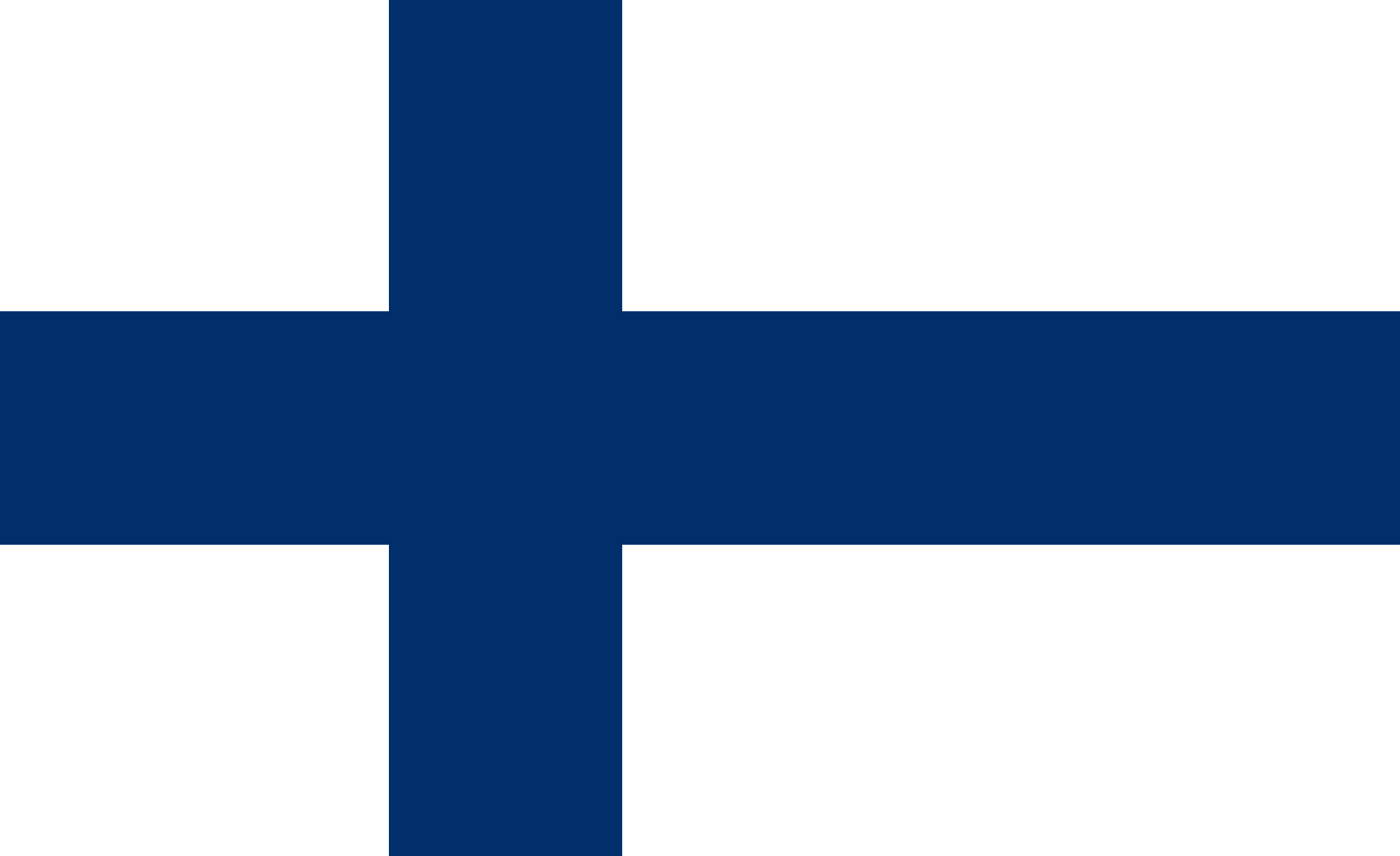
What the flag of Finland looks like
The national flag of Finland, called Suomen lippu or in everyday speech siniristilippu (the "blue-cross flag"), is a white rectangle with a blue cross. The cross is the Nordic type: its vertical arm is set toward the hoist rather than in the center. The proportions are 11:18, which makes the flag a little longer and narrower than many others.
The measurements are fixed by law. The height is divided into three parts of 4:3:4 and the width into 5:3:10, so the cross is three units wide in an 11-unit height. The blue is a medium-to-dark shade called sea blue, neither navy nor a bright or greenish blue.
There are two main versions. The national flag is the plain cross and is flown by everyone. The state flag, used by national and provincial government bodies, is otherwise identical but carries the Finnish coat of arms in the centre. The Defence Forces fly a swallow-tailed version of the state flag. See the Finland flag emoji for the small version.
Finland flag colors
Color codes measured from the official design. Use HEX for the web and CMYK for print.
HEX
#FFFFFFRGB
255, 255, 255CMYK
0, 0, 0, 0HEX
#002F6CRGB
0, 47, 108CMYK
100, 56, 0, 58Finland flag meaning and symbolism
The usual explanation is that blue represents Finland's thousands of lakes and the sky, and white represents the snow of the long winters. This reading is very widespread, and it ties the flag to the Finnish landscape. It is not an official definition: the law describes the flag's shape and colors, but gives no meanings.
The cross is a Christian symbol and it shows Finland's place among the Nordic countries. Blue and white had been used in various Finnish provincial, military and town flags before independence. According to tradition, the flag was based on a design by the poet Zachris Topelius from about 1860.
History of the Finnish flag
During the time that Finland was a grand duchy of the Russian Empire (1809-1917), it had no national flag of its own. Ideas for one came from the Finnish national movement in the 19th century. The first known "Flag of Finland" was shown in 1848, a white flag with the coat of arms. The blue-cross design was first used by a Helsinki yacht club founded in 1861, and in 1910 the Russian authorities ordered a Russian flag added to the canton, which most Finns refused to fly.
Finland declared independence in 1917, and a competition was then held for the flag. Entries fell mainly into two groups, red and yellow from the coat of arms or the present blue and white. The artists Eero Snellman and Bruno Tuukkanen specified the final form, and the blue cross on white was adopted as the national flag in 1918. Akseli Gallen-Kallela proposed a version with inverted colors, which was rejected as too like the Swedish and Greek flags. In 1920 the state flag's coat of arms was changed to a rectangular shape and the blue was darkened. The flag is now regulated by Finnish law.
The Finnish flag is flown on official flag days, which include Independence Day on 6 December and Midsummer Day, which is also celebrated as Flag Day. Citizens may fly it at any time of the year, but the flag is raised at 8 a.m. and lowered at sunset, but not later than 9 p.m.
Finland and the other Nordic flags
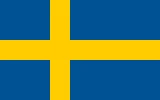
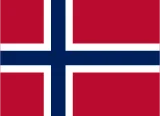
Finland is often grouped with Sweden, Norway and Denmark, since all four use the Nordic cross. The Finnish flag differs from them in having a white field and a blue cross, with no other colors. Greece's flag also has blue and white, but in stripes and with a cross in a canton.
Finland flag facts
| Country | Finland |
|---|---|
| Flag adopted | May 28, 1918 |
| Proportions | 11:18 |
| Colors | #FFFFFF, #002F6C |
| Symbols | Nordic cross |
| Flag emoji | 🇫🇮 |
| Country code | FI, FIN (ISO 3166) |
| Capital | Helsinki |
| Continent | Europe |
| Population | 5,652,881 |
| Area | 338,478 km² |
| National anthem | Maamme |
Finland flag: frequently asked questions
Why does Finland have two flags?
Finland has one national flag, the plain blue cross on white, and a state flag that adds the coat of arms in the centre. The state flag is for national and provincial government bodies and similar official use, and everyone else flies the plain version.
What do the colors on the Finnish flag mean?
Blue is said to stand for Finland's thousands of lakes and the sky, and white for the snow that covers the land in winter. The cross is a Christian and Nordic symbol.
Why do Finland, Sweden and Norway have similar flags?
All of them follow the Nordic cross design, a shared regional tradition. Each country picked its own colors: Finland blue on white, Sweden yellow on blue and Norway blue and white on red.
Why is Finland called Suomi?
Suomi is the Finnish name for the country, and its origin is uncertain. It may come from an old Baltic word for land or a word for the people of the region. "Finland" is the name used in Swedish and English.
What is the military flag of Finland?
The Finnish Defence Forces fly a swallow-tailed version of the state flag, with the coat of arms of Finland in the centre. The presidential standard adds the Cross of Liberty in the upper-left corner.
What flag is 🇫🇮?
🇫🇮 is the Finland flag emoji: a white flag with a blue Nordic cross. It shows the plain national flag, without the coat of arms of the state flag.
What was Finland's first flag?
The first known "Flag of Finland" was presented in 1848 and was a white flag with the coat of arms. The current blue-cross design was adopted as the national flag in 1918, after independence.
Is Finland Slavic or Nordic?
Finland is a Nordic country, not a Slavic one. Its flag uses the Nordic cross, as the flags of Sweden, Norway and Denmark do, and the Finnish language belongs to the Finno-Ugric family. Read more about the finland flag vs sweden on this page.