Africa · BI / BDI
Flag of Burundi
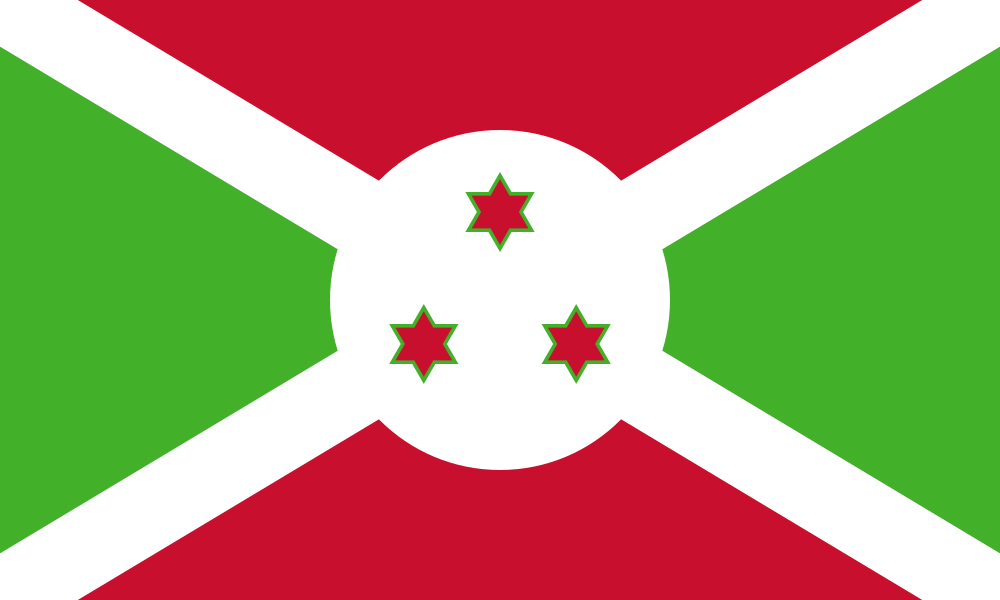
The flag of Burundi is divided by a white diagonal cross into four fields, red at the top and bottom and green at the hoist and fly. A white disc in the center holds three red, green-outlined six-pointed stars.
What the flag of Burundi looks like
The Burundi flag is built on a white saltire, a diagonal cross that runs from corner to corner. It splits the flag into four triangles. The top and bottom triangles are red, and the triangles next to the flagpole and at the outer end are green. The flag is 3:5 in proportion.
At the point where the arms of the cross meet is a white circle. Inside it are three six-pointed stars, each red with a thin green outline. They are arranged in a triangle.
Saltires are rare on national flags. Jamaica (gold) and Scotland (white on blue) use a similar diagonal cross, but in different colors. A smaller version is shown as the Burundi flag emoji.
Burundi flag colors
Color codes measured from the official design. Use HEX for the web and CMYK for print.
HEX
#43B02ARGB
67, 176, 42CMYK
62, 0, 76, 31HEX
#FFFFFFRGB
255, 255, 255CMYK
0, 0, 0, 0HEX
#C8102ERGB
200, 16, 46CMYK
0, 92, 77, 22Burundi flag meaning and symbolism
The colors and symbols are generally explained as follows:
- Red stands for the suffering of the nation during its freedom struggle.
- Green stands for the nation's hopes placed on future development.
- White stands for peace.
- The three stars represent the national motto, Unity, Work, Progress (Ubumwe, Ibikorwa, Amajambere). They also stand for the three ethnic groups of Burundi: the Hutu, the Twa and the Tutsi, and for the loyalty pledged to God, king and country.
The colors are defined in the constitution simply as green, white and red, and no official shades are documented.
History of the Burundi flag
The territory of Burundi was a kingdom for centuries before German colonial rule in the late 19th century. After World War I, Belgium took over and administered it with Rwanda as Ruanda-Urundi. Burundi became independent as a kingdom on 1 July 1962, with a flag that already used the white saltire and red and green fields; during the monarchy a variant carried a karyenda, a drum said to have divine power.
The monarchy was abolished in November 1966 and the karyenda was removed from the flag, replaced for a time by a sorghum plant, an important agricultural product of the country. The design with three stars in use today is dated 28 June 1967 in most references. On 27 September 1982 the proportions were changed from 2:3 to 3:5.
Burundi flag facts
| Country | Republic of Burundi |
|---|---|
| Flag adopted | June 28, 1967 |
| Proportions | 3:5 |
| Colors | #43B02A, #FFFFFF, #C8102E |
| Symbols | saltire, six-pointed star |
| Flag emoji | 🇧🇮 |
| Country code | BI, BDI (ISO 3166) |
| Capital | Gitega |
| Continent | Africa |
| Population | 13,689,450 |
| Area | 27,834 km² |
| Currency | Burundian franc |
| National anthem | Burundi Bwacu |
Burundi flag: frequently asked questions
What does the Burundi flag represent?
Red represents the suffering of the nation during its freedom struggle, green its hopes for future development, and white peace. The three stars stand for the motto Unity, Work, Progress and for the Hutu, Twa and Tutsi.
Did Burundi change their flag?
Yes. The kingdom's flag used the same saltire but a karyenda drum emblem, later replaced by a sorghum plant. The present design with three stars dates from 1967, and the proportions changed from 2:3 to 3:5 in 1982.
What was Burundi originally called?
The precolonial kingdom was called Urundi, from which the name Burundi comes. It was part of German East Africa until the end of World War I, then part of the Belgian-administered Ruanda-Urundi, and became independent as Burundi on 1 July 1962.
What part of Africa is Burundi in?
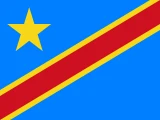
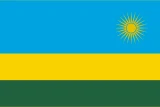
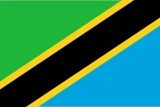
Burundi is a small landlocked country in East Africa, bordered by Rwanda, Tanzania and the Democratic Republic of the Congo. Browse flags of Africa for its neighbors.